
Why Won’t He Apologize?
Sometimes you’re completely sure you’re right—and theother person is wrong—and you want an apology. But when they finally say“sorry,” it falls flat. It doesn’t feel real.
So what actually makes an apology land?
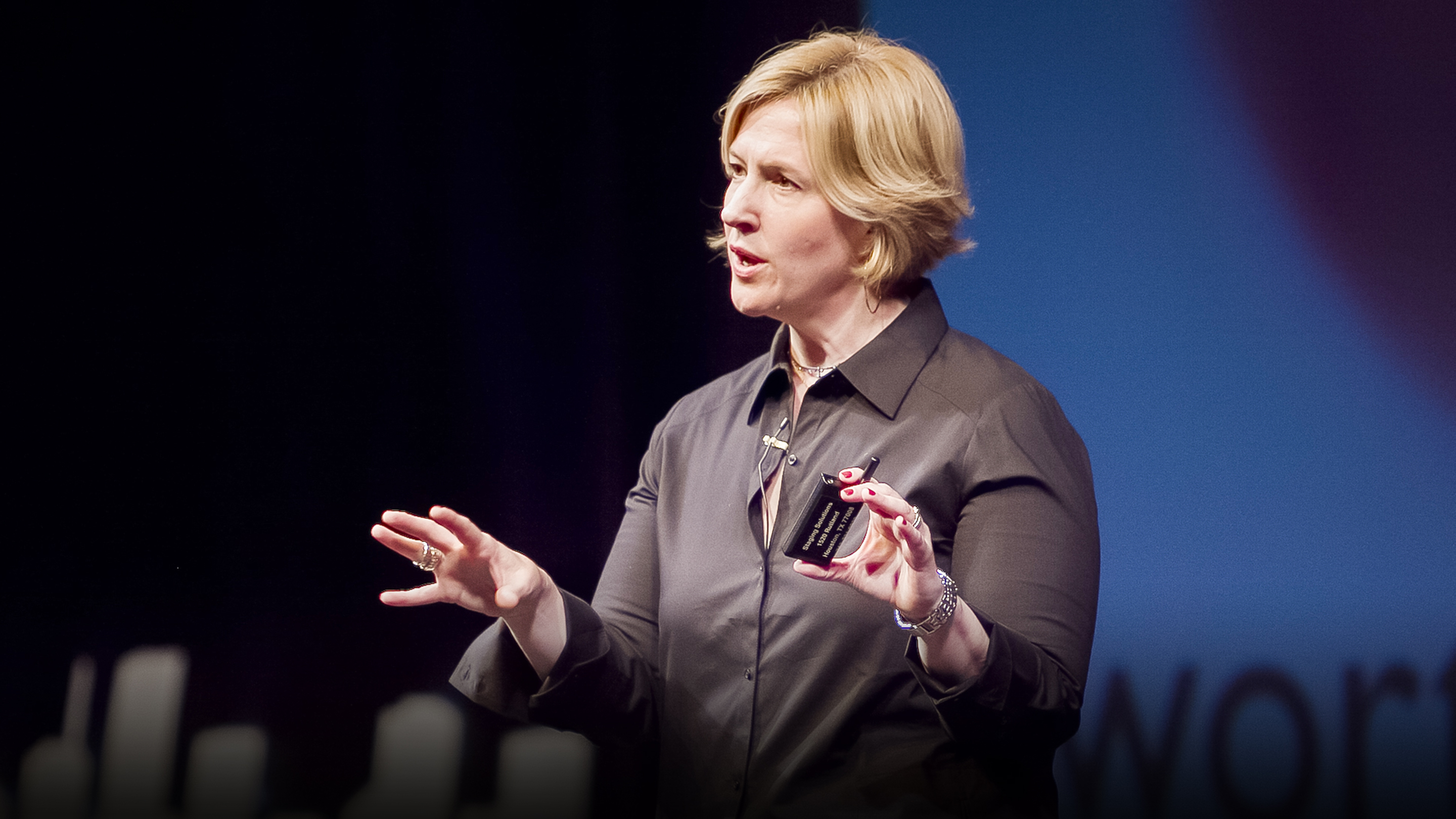
In this powerful talk, Harriet Lerner explains why somany apologies miss the mark—and what we can do differently.
When we want an apology, we often approach the otherperson with anger or blame. We want them to feel as bad as we do. But thatapproach usually backfires. The other person gets defensive, shuts down, orpushes back.
Lerner points out something deeper: apologizing is hard,especially for people with a fragile sense of self-worth. Saying “I messed up”can feel overwhelming—like falling into shame.
The good news? Asking for an apology is a skill.
Instead of building a case against someone, it’s aboutclearly expressing what you need while staying grounded and self-respecting.Lerner even shares a simple, practical six-sentence template that cancompletely shift how these conversations unfold.
No guarantees, of course. A genuine apology stillrequires the other person to tolerate responsibility without collapsing intodefensiveness.
But if you’ve ever struggled to get—or give—a meaningfulapology, this short talk is well worth your time.
Give it a listen—you might never think about apologies the same way again.